Veterinary Telehealth: What You Can and Can’t Do Remotely
Veterinary telehealth offers convenient remote care for minor issues, follow-ups, and advice—but exams, diagnostics, and emergencies still require in-person veterinary visits.
Why Telehealth Helps—but Has Limits
Telehealth for pets exploded during the pandemic and never really went away, and I’m glad it didn’t. It’s not just convenience; it’s that middle space between “it’s probably fine” and “we need to see you now.” But here’s the thing: what you can do safely on video (or even just via photos and messages) isn’t everything. I’ve noticed that when people hear “telehealth,” they picture a full exam without ever leaving the couch. That’s not the deal. In most states we still need a valid veterinarian–client–patient relationship (VCPR) for medical advice and prescriptions, and sometimes that means an in‑person visit first. I read somewhere that more than half the states lock this down pretty tightly, and the rules keep shifting. So let’s talk pragmatics—what actually works, what doesn’t, and where folks get tripped up?
Triage, Fast: When a Quick Call Saves the Day
Remote care shines for triage. If Nina the Labrador just ate half a pan of brownies, I can quickly gauge risk, pull up a toxicity calculator, and tell you whether we’re inducing vomiting now or you’re driving to emergency. Same with “my cat missed one meal” or “there’s a small cut on the paw.” In 10 minutes we can figure out if this is “clean it, watch it” or “get in the car.” Quick decisions, less panic. That immediate sort of guidance is where telehealth earns its keep, right?
Follow-Ups, Rechecks, and Chronic Care
Follow‑ups are another sweet spot. Chronic itch? If I already know Daisy and we’ve tried a treatment plan, a video check‑in to tweak meds or discuss side effects is perfect. Same for arthritis rechecks, behavior coaching, weight‑loss programs, and post‑op incision checks (send a photo with a coin for scale—helps more than you’d think). And we can do palliative care adjustments at home, which honestly is where those conversations belong. I’ve noticed that pets act more like themselves on camera than they do shivering on a cold metal table, which gives us cleaner data.
Skin and Ears: What Video Shows (and Hides)
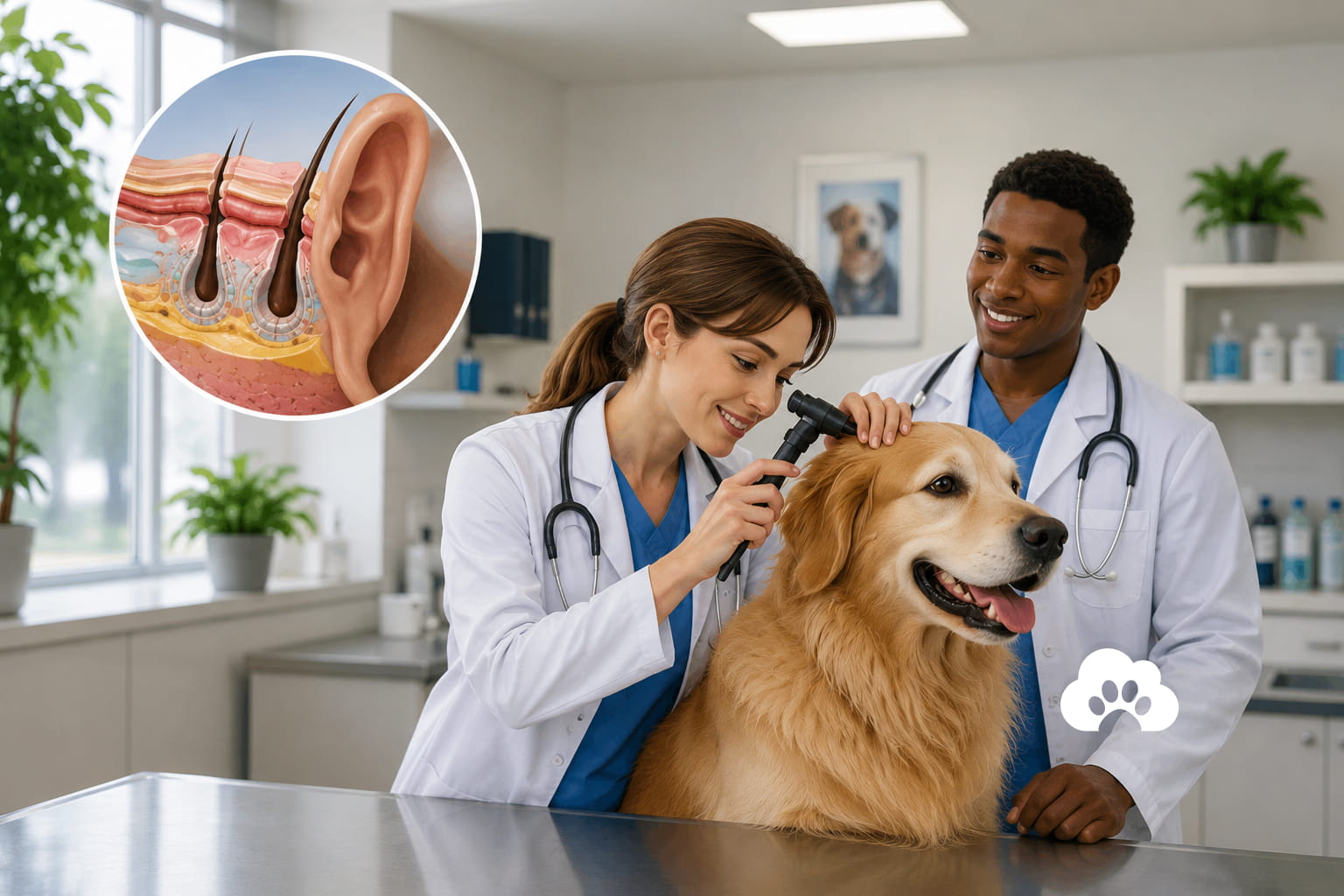
Skin stuff sits in a grayish‑good zone. Hot spots, mild rashes, flea dirt—photos and a short history usually get us close. But ear infections? Different story. Without an otoscope view, we’re guessing between yeast, bacteria, or both. Actually, let me rephrase that: we’re not guessing, we’re estimating odds—and sometimes the odds are wrong. That’s where telehealth can backfire if we push it too far.
The Contrarian Bit: When Telehealth Delays Care
Here’s a mild contrarian take: telehealth sometimes becomes a comfy delay button. We chat, everyone feels productive, and two days later we’re still nursing a limping dog when what we really needed was an X‑ray on day one. I could be wrong but, from what I’ve seen, lameness, breathing changes, belly pain, and anything neurological (head tilt, seizures, sudden wobbliness) just don’t belong on a screen. If you’re asking, “Could this be urgent?”—you probably already know the answer, don’t you?
Tangent That Matters: Getting Good Photos and Video
Let me go slightly tangential: the photo/video problem. Half of telehealth is camera work. Dim bathroom lighting hides swelling. Zoomed‑in shots without context make small lesions look Titanic‑sized. If you send a 10‑second clip of Milo the cat limping, start wide (let me see gait and posture), then go closer. Natural light near a window, phone held steady, one hand gently exposing the area (you know what I mean). For skin, pop in a reference object: a dime, a ruler, your finger. And include the unglamorous details—poop photos matter, sorry. Why the detour? Because better visuals = safer advice, which is what we’re after.
Rules of the Road: VCPR, Prescriptions, and Boundaries
Now, some legal and practical rails. If I haven’t examined your pet within a reasonable timeframe, there are lines I can’t cross. Prescribing most meds—especially controlled substances like some pain meds or anxiety drugs—often isn’t allowed without an in‑person exam, and for good reason. We can talk over-the-counter options and supportive care, but the heavier lifts usually require hands, stethoscopes, and sometimes bloodwork. Look, none of us want to be hall monitors, but cutting corners here can hurt animals.
Non‑Negotiables: Emergencies That Need the ER
So what about emergencies? You already know: telehealth can triage, not treat them. Difficulty breathing, blue or pale gums, repeated vomiting, bloat suspicion (tight, drumlike belly in a big dog), hit‑by‑car, uncontrolled bleeding, collapse, seizures lasting more than a couple minutes—those are non‑negotiable car‑keys situations. We can stay on the line while you drive and call the ER for a warm handoff, but we can’t fix a twisted stomach through a webcam. And would you want us to try?
Helpful Tech: CGMs, Trackers, and Simple Tools
On the techy front, there’s some cool stuff. Continuous glucose monitors in diabetic pets have changed the game; we can review curves remotely and adjust insulin without dragging a stressed cat into the clinic. Activity trackers are decent proxies for pain flares in arthritic dogs (when the step count tanks, the stiffness usually spiked). I’ve tested a couple digital stethoscopes that owners can use at home, and they’re promising, though adoption’s uneven and setup can be finicky. From what I’ve seen, simple beats fancy: a thermometer, a notebook, and clear videos often outperform gadgets.
Hands-On Only: What Can’t Be Done Remotely
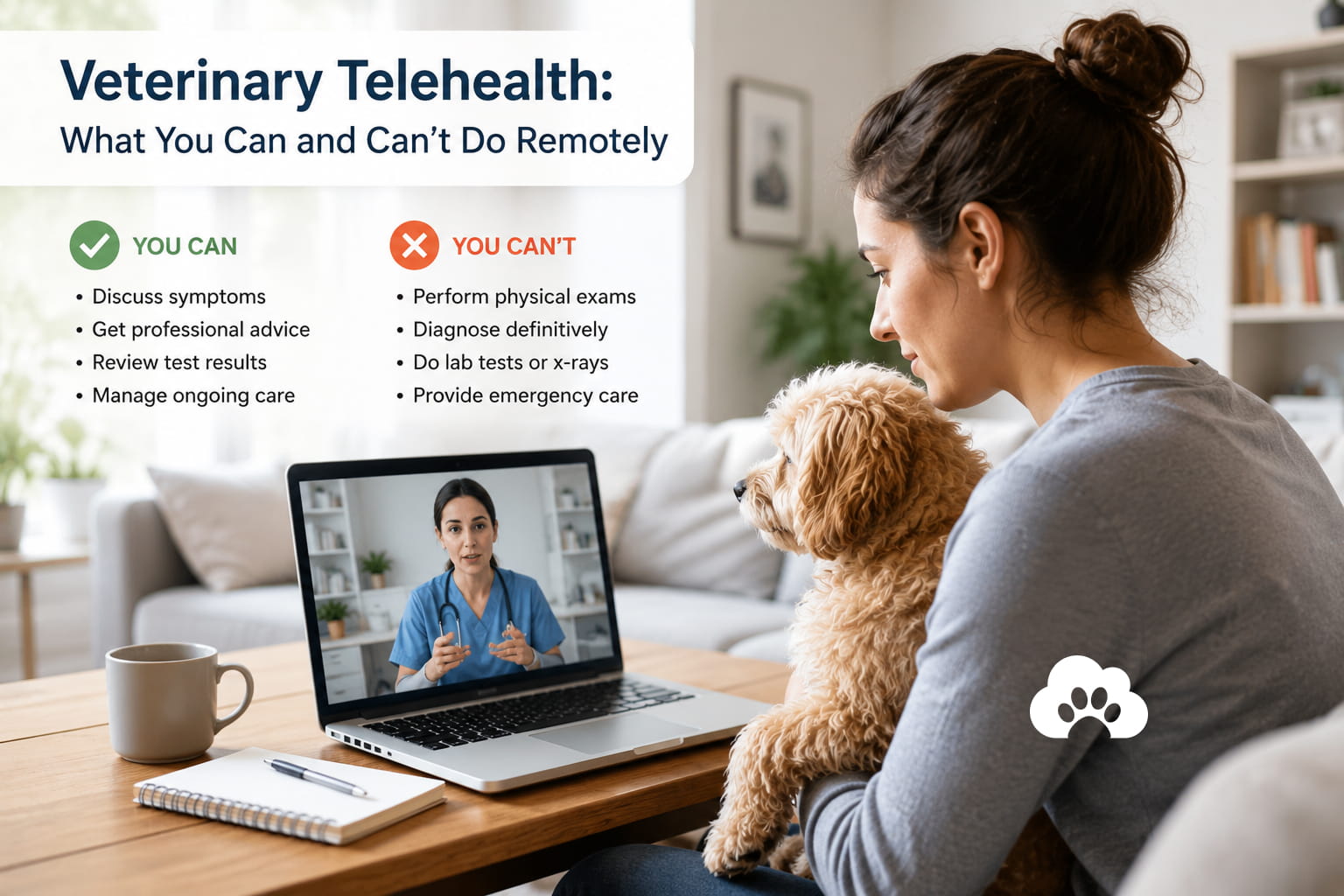
What we can’t do remotely is palpate an abdomen, smell a rotten tooth (oh yes, smell matters), listen for a subtle heart murmur, or peek under the eyelid with fluorescein dye. We can’t give vaccines, draw blood, or extract that foxtail burrowed in a paw. We can, however, save you a trip when reassurance and a plan are enough—and point you firmly toward the door when they aren’t. But if we say “please come in,” it’s not upselling; it’s safety.
How to Prep: Make Your Remote Visit Count
To make telehealth actually work for you, prep like you would for a quick pit stop. Jot down the start time of the problem, what you’ve tried, meds on hand (photos of labels help), and grab a fresh weight if you can. Record at least two angles for anything movement‑related. Expect a plan A (home care), a plan B (clinic visit), and a “call us back if X happens” clause. That last part matters more than people think.
Right Tool at the Right Time: Telehealth’s Real Job
Say you’re a company like Chewy or a local clinic offering chat‑based advice: the best services I’ve seen don’t pretend to replace the exam room; they funnel you there at the right moment. That’s the promise when it’s done responsibly. Telehealth isn’t the whole toolbox—it’s the flashlight you use to find the right one. And sometimes, yes, the answer is “let’s stop talking and get in the car."