Veterinary software that actually helps the day run smoother: meet Veterian
Veterian is cloud-based veterinary software with AI assists, smart scheduling, telemedicine, and IoT integration. Fewer clicks, faster notes, cleaner invoices—software that supports how you practice.
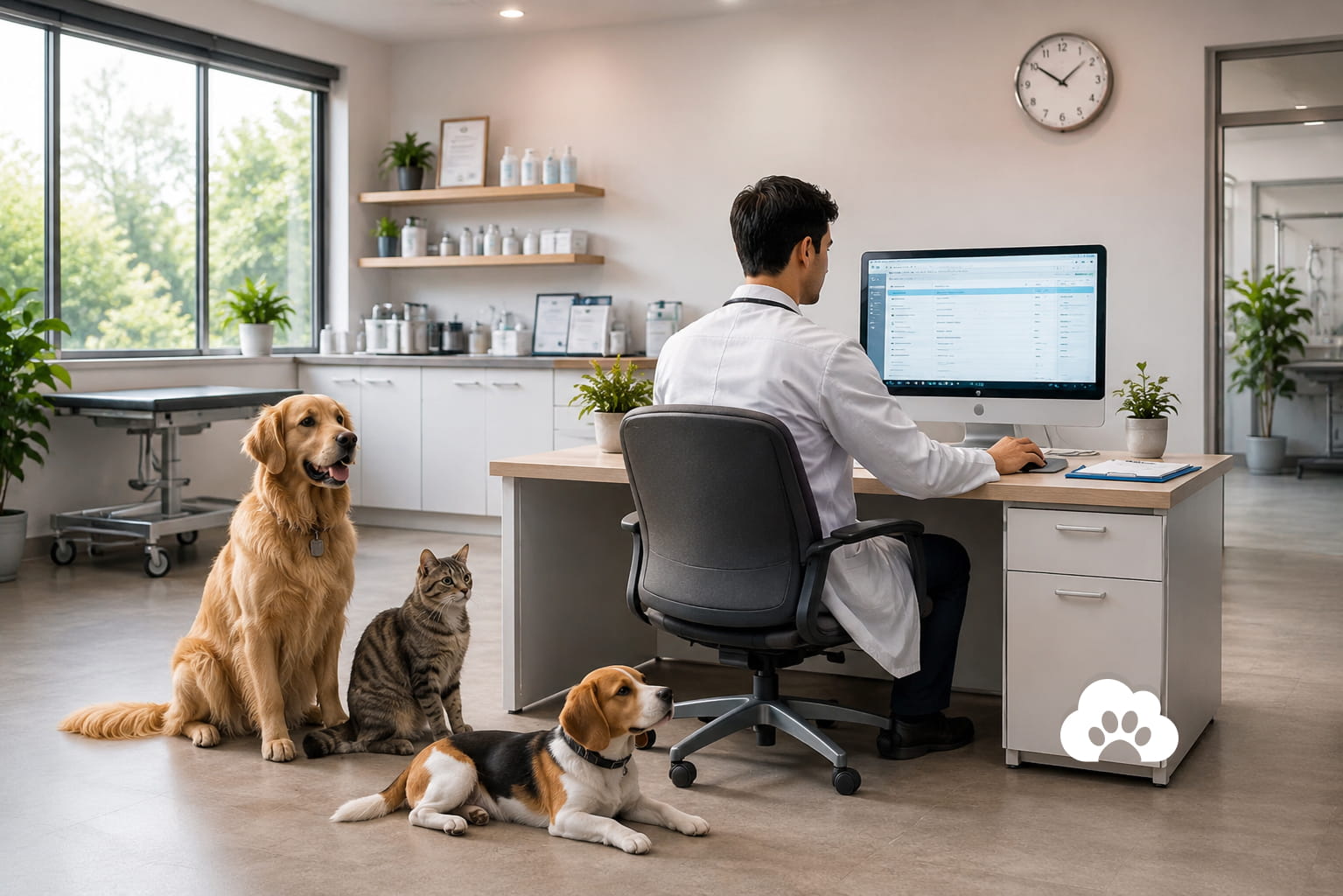
Let’s be honest: running a clinic today feels like juggling three jobs at once—medicine, operations, and a small call center. Phones ring off the hook. A tech is hunting for a lab result. A client’s asking for a refill on the same line the lab is trying to fax in a panel. Meanwhile, you’re trying to finish SOAP notes before lunch turns into dinner. I’ve noticed that even the most organized teams can get swamped when the tools underneath them are clunky or scattered. That’s why modern veterinary software isn’t a nice-to-have anymore; it’s the backbone that keeps care consistent, clients informed, and teams sane. And when that backbone is designed with today’s realities in mind—AI-assisted decisions, cloud access, telemedicine, automated reporting, smart scheduling, and even connected devices—it stops being “software” and starts being part of the medical workflow.
Here’s the thing: most clinics aren’t trying to win awards for software adoption. You just want fewer clicks, fewer missed charges, faster notes, and zero “where did that file go?” moments. If a platform helps you see two extra patients a day without feeling rushed, that’s meaningful. If it cuts your no-show rate and smooths out the Monday crush, even better. The right system can do that and still stay out of your way. Isn’t that the goal?
Why “modern” matters more than ever
From what I’ve seen, software touches almost every clinical outcome, even if it’s invisible at first glance. Poor scheduling leads to bottlenecks, which causes rushed exams, which increases rechecks and callbacks. Slow charting after hours leads to fatigue, which leads to mistakes. You get the idea.
A solid, modern setup helps clinics:
Capture complete medical histories in one place, not five
Route data automatically—labs, radiology, prescriptions—without phone tag
Keep staff focused on patients, not searching for attachments or retyping records
Communicate with clients in real time (and in their preferred channel)
Turn raw activity into clean reports that actually support decisions
Look, none of that is glamorous. But it’s what separates “we survived today” from “we had a good day.”

What’s new and trending (without the buzzword salad)
Let’s walk through what clinics are paying attention to right now, with zero fluff.
AI‑driven diagnostics AI isn’t here to replace your clinical judgment. It’s here to nudge, flag, and speed you up. Think of an imaging assist that highlights suspicious densities on thoracic radiographs or suggests differentials you might consider for an anemic cat based on CBC patterns and history. Or a notes assistant that turns your spoken findings into a structured SOAP you can edit before locking. I’m not convinced every AI feature is ready for prime time, but focused tools—radiology triage, lab flagging, templated summaries—are reducing friction where it counts.
Cloud‑based clinic management If your software lives on a single workstation, your practice lives on that machine. Cloud means the team can check schedules from home, the relief vet can sign notes from their tablet, and updates roll out without late-night IT marathons. Backups, uptime, and security practices also benefit when done right in the cloud. Honestly, this is the quiet upgrade that changes everything because the system stops being a place and becomes a service you can depend on.
Telemedicine and virtual follow‑ups Telemed isn’t about diagnosing every condition over video. It’s perfect for surgical rechecks, dermatology follow‑ups with photo updates, behavior consults, and quick medication questions that don’t need a new exam. Pair that with asynchronous messaging for triage and you’ve got a calmer front desk and happier clients. Will it replace hands-on exams? No. But done right, it keeps small stuff small and frees your schedule for the hands-on medicine only you can do.
Automated reporting and revenue clarity You shouldn’t need a spreadsheet hobby to understand how the week went. Automated reporting—daily snapshots, missed-charge alerts, inventory turns—turns activity into signals. Something like 60% of clinics (I read somewhere) still do manual reconciliations for at least one major workflow, and that’s where charges slip. When the software nudges you at checkout—“Are you sure you don’t want to add the sedation fee?”—that’s not nagging. That’s catching revenue you already earned.
Smart appointment systems Online booking is table stakes now; the magic is in triage and timing. A smart scheduler spaces long appointments around tech blocks, converts cancellations into waitlist fills, and messages clients with prep instructions so you’re not chasing unfasted patients at 8 a.m. It can even predict crunch times and suggest moving a routine nail trim to a quieter slot. Actually, let me rephrase that: it can help your team make those decisions with data instead of guesswork.
Integrated IoT devices for pet health monitoring This is where things get interesting. Wearable collars that track activity and sleep. Connected litter boxes flagging changes in urination for CKD cats. Bluetooth glucometers that feed readings straight into the record. Smart scales, feeders, even at-home otoscopes. When those streams flow into a clean dashboard, chronic care gets proactive instead of reactive. Not every gadget is necessary, but the right sensor for the right case can be a game-changer for compliance.
Meet Veterian: the modern platform that ties it all together
Veterian is built so your clinical day feels smoother, not more “digital.” It’s a cloud-based platform with the features clinics talk about in the hallway but rarely see all in one place. Think clean patient records, fast search, and an interface that doesn’t bury you in tabs. Add smart scheduling, built-in telemedicine, and integrations that carry data between labs, imaging, and pharmacies without human copy-paste.
But the part that stands out (to me) is how Veterian handles intelligence. It’s practical. You’ll see AI where it makes sense: radiology assist for quick reads before the official interpretation; charge-capture prompts; speech-to-notes that turns your exam narrative into structured fields you can tweak; and gentle guidance that never locks you into a template. I’ve noticed that when AI shows up as a nudge instead of a lecture, adoption jumps.
A quick tour of Veterian’s core strengths
Cloud-first clinic management: Access schedules, medical histories, and tasks from any device your team uses. No clunky remote desktop. No “that computer has the license.”
Telemedicine that fits real cases: Video consults, photo triage, and asynchronous messaging for follow-ups. Auto-attach media to the chart without dragging files around.
Smart appointment engine: Online booking with intake forms, triage-based time estimates, and a dynamic waitlist. Text reminders that update based on client replies instead of one-way blasts.
Automated reporting you’ll actually read: Daily revenue snapshots, missed-charge cues at checkout, inventory reorder nudges, and simple cohort views (seniors overdue for wellness, diabetics lacking a recent curve).
AI assists that stay in their lane: Imaging pre-screens, suggested differentials based on findings (you can accept, edit, or ignore), and note drafting from your voice. You stay the doctor.
IoT integrations for chronic care: Pull in data from wearables and connected devices so you can see trends at a glance—useful for obesity programs, post-op activity checks, or endocrine cases.
Reliability without drama
Software only helps if it’s steady. Veterian is engineered with the boring-but-critical stuff clinics ask about—encryption in transit and at rest, role-based permissions, automatic backups, and careful change control so new features don’t surprise you mid-shift. There’s an offline safety net for temporary internet hiccups, then auto-sync when you’re back online. You shouldn’t have to hold your breath when you click “update.”
Interoperability that doesn’t make you chase PDFs
Veterian connects to common lab providers, digital radiography systems, pharmacies, and payment tools, so results and charges flow into the record in context. That means the lab result is linked to the order, the order links to the invoice, and the invoice is right there when you close the visit. No scavenger hunts. Say you’re a company like VCA or a fast-growing group like Bond Vet—standardized flows cut training time; for a two-doctor clinic like “Greenway Animal Care” in Boise (hypothetical), it just means fewer clicks at 6 p.m. when everyone wants to go home.
A small tangent about clinic culture (that circles back)
I’ve spent enough afternoons in treatment areas to notice a pattern: morale tanks when the software fights the team. It sounds soft, but it’s real. When techs trust that reminders, callbacks, and charges are baked into the flow, they stop double-documenting on sticky notes. When DVMs can finish records before dinner, they go home on time. When CSRs have a calm queue with smart appointment buffers, calls feel manageable. That’s not just “nice”—it’s retention. What’s the cost of onboarding the third receptionist this quarter because the first two burned out?
Veterian returns to this point by removing micro-frictions: a quick-claim button for commonly missed items, one-tap patient photo capture that lands in the right chart, and color-coded queues that anyone can read at a glance. Little things, all day, every day.

How clinics roll out Veterian without the migraine
Change is hard. But it’s harder staying stuck. A steady go-live plan helps:
Pick a champion. Give someone an hour a week to own the rollout. Not forever—just during changeover.
Pilot a module first. Start with scheduling and reminders, or start with charting—whichever solves the loudest pain. Wins build momentum.
Migrate clean data, not all data. Old clutter can move to an archive you can still search. Your daily view should feel fresh.
Train with your actual workflows. Create three “day-in-the-life” walkthroughs (sick visit, surgery, dermatology follow-up) and rehearse them. Muscle memory beats manuals.
Schedule a shadow day. Have the Veterian team sit in (virtually or onsite) during your first full go-live day to catch bumps early.
I could be wrong but the clinics that succeed on new software aren’t the ones with the fanciest hardware—they’re the ones that treat go-live like a patient plan: assess, stage, recheck, adjust.
What about cost and ROI?
Short answer: time back, fewer no-shows, better charge capture. Long answer: small improvements stack. If smart reminders cut your no-show rate by a few percentage points, that’s appointment slots back on the calendar. If missed-charge prompts catch one sedation, one cytology, and one hospitalization fee a day, the month looks different. And if AI note drafting saves each doctor 20 minutes daily, that’s not hypothetical—that’s dinner at home. What would you do with that time?
Security and privacy, plain talk
Client trust matters. Veterian uses modern encryption and permission controls so only the right people see the right data. Regular backups mean a hardware failure doesn’t become a week-long saga. Access logs tell you who viewed what, when. And when you offboard a user, their access ends everywhere. Not dramatic, just the basics done well.
Telemedicine without the mess
A lot of teams tried video visits during lockdowns and then quietly pulled back because it became babysitting for the front desk. Veterian builds telemedicine into scheduling and records, so prep forms go out automatically, media lands in the chart, and billing aligns with the consult type you define. A quick case: a post-TPLO recheck in week two with guided range-of-motion video is ideal for virtual. A limping dog with acute swelling? That one gets an in-person slot. The software helps the CSR make the right call in under 30 seconds.
AI that respects clinical judgment
AI can suggest, not decide. Veterian’s assists are designed to be vetoed easily, and the system learns from your choices over time (accept, ignore, modify). If it flagged “possible cardiomegaly” five times and you dismissed it, it quiets down. If its cytology summary saved you time, it offers similar help next time. The goal isn’t to be clever; it’s to be helpful. Why should technology argue with you during a busy exam block?
IoT in practice, not theory
Remote monitoring shines in chronic care. A diabetic cat’s glucometer syncing daily curves to the chart means you can intervene before a crash. An obese Lab’s activity tracker plus a connected scale can turn weight-loss into a game the client actually plays. For post-op patients, activity dips or spikes can prompt a quick check-in. Veterian aggregates these signals into a simple trend view—green when stable, amber when something drifted—so you’re not wading through noise.
A mild contrarian note
Not every clinic needs every gadget on day one. In fact, chasing features can become its own distraction. Start with outcomes you care about—shorter checkouts, fewer rechecks for missed instructions, cleaner notes—and bring in tools that move those needles. It’s fine to ignore shiny features until they solve a problem you actually have.
What a day on Veterian can feel like
7:45 a.m. You scan the day’s schedule on your phone, see two likely crunch points, and add a tech block with one tap.
8:30 a.m. A dermatology follow-up auto-attaches last week’s photos and pre-populates today’s note from a template you actually like.
10:15 a.m. Radiology pre-screen flags a possible foreign body; you escalate sooner and call the client with confidence.
Noon. A no-show triggers a waitlist fill. The slot doesn’t go to waste.
2:00 p.m. A diabetic curve lands automatically; the trendline suggests a dose tweak, and you message the client through the portal.
4:30 p.m. Checkout prompts add the controlled-drug log entry and post-op handout you almost forgot.
6:10 p.m. Notes are done. You leave on time.
Scaling up without losing your mind
Say you’re a company like Banfield Pet Hospital with many locations. Standardization matters—same templates, same billing rules, same intake forms—so data is comparable. For a regional group with six sites, shared reporting shows where training helps most and where schedule templates need tweaks. For a single hospital that wants to grow, Veterian’s multi-site tools are there when you need them, not forced when you don’t.
Support from humans who get clinics
Software plus support beats software alone. Veterian’s onboarding team handles data migration, training, and a go-live support window where your real-world questions get answered fast. Post-launch, you’ll see release notes that are short and clear (with the option to defer a change if you’re in a crunch week). You shouldn’t have to figure out new features mid-appointment.
A quick checklist: are you ready to modernize?
Are no-shows a recurring headache?
Do notes spill into your evening?
Are lab results and invoices ever out of sync?
Does your scheduler depend on one hero CSR to “just know” how to fit things?
Do chronic cases feel reactive instead of proactive?
If you nodded a couple of times, you’re not alone. Why keep pushing uphill when the tools can help?

Common questions we hear
What if my internet goes out?
You can keep working in a limited offline mode and sync back when service returns. Also, a backup hotspot is cheap insurance.
Will AI make mistakes?
It’ll miss things and suggest things you’ll decline—that’s expected. You’re in charge. Use it where it helps and turn off what doesn’t.
How hard is it to switch?
Harder than staying the same for a week, easier than staying the same for a year. A focused plan makes the difference.
Do I need new hardware?
If your devices handle a modern browser smoothly, you’re fine. Tablets in exam rooms help a lot, but they’re optional.
Can I keep my current lab/rads/pharmacy?
Yes—Veterian integrates with common providers so your existing relationships stay intact.
Two small observations to leave you with
First, I’ve noticed that the clinics who get the most from software don’t click faster; they decide faster. They build a simple rulebook for scheduling, notes, and follow-ups—and let the platform enforce it gently.
Second, the gains often show up where you didn’t aim: fewer back-and-forth calls because instructions are clearer, fewer rechecks because clients felt guided, and a calmer vibe because the day isn’t a guessing game.
If you’re curious, a short conversation with the Veterian team can map your pain points to a phased rollout that respects your bandwidth. No pressure, no three-hour demo. Just a quick look at whether the pieces that matter—AI assists, cloud stability, telemedicine, automated reporting, smart scheduling, and IoT—can make tomorrow easier than today. Isn’t that what you’re after?
Because at the end of the day, modern veterinary software should feel like a helpful colleague: always prepared, never flustered, and happy to do the repeatable work so you can practice medicine. When it does that—and Veterian does—you’ll feel it in your schedule, your notes, and your team’s energy. And maybe, finally, in your evenings.
can you rewrite it it looks like ai wrote it
Veterinary software that actually helps the day run smoother: meet Veterian
A busy clinic lives or dies by its workflow. Phones, walk-ins, lab results, refills, post-op calls—when the tools underneath all that are scattered or slow, the entire day gets harder. Modern veterinary software isn’t just a digital filing cabinet anymore; it’s the system that keeps care consistent, teams coordinated, and clients in the loop. If it’s doing its job, you notice fewer bottlenecks, faster notes, cleaner invoices, and a calmer waiting room.
What great software does for a clinic
Keeps the medical record complete and easy to find—history, imaging, labs, communications, all in one place.
Reduces clicks and handoffs so techs and doctors can focus on medicine, not data entry.
Makes client communication simple (text, email, portal) and tied to the chart.
Turns activity into clear, useful reporting so you can make decisions without spreadsheets.
Protects data with sensible permissions, backups, and secure access—no drama.
What's trending now—and why it matters
Here are the technologies clinics are adopting because they save time and improve care, not because they’re flashy.
AI-driven diagnostics: Think of this as assistive intelligence. It can pre-screen radiographs, highlight patterns in lab results, and turn spoken notes into a structured draft you can approve. It speeds up routine tasks and suggests things you might want to double-check. You’re still the clinician; AI just handles the tedious parts.
Cloud-based clinic management: When your system runs in the cloud, the schedule, medical records, and billing aren’t locked to one computer. Updates arrive quietly, remote access is straightforward, and you don’t spend evenings doing manual backups. It’s the practical way to keep multiple rooms—and sometimes multiple locations—on the same page.
Telemedicine for the right cases: Video and photo-based follow-ups fit well for surgical rechecks, dermatology updates, behavior consults, and medication questions. Built into the chart and billing, it cuts down on phone tag and frees in-person slots for cases that truly need exams.
Automated reporting: Daily revenue snapshots, missed-charge alerts at checkout, inventory reminders, and simple lists like “seniors overdue for wellness”—these help you spot issues early and stay on top of the business without extra work.
Smart appointment systems: Online booking is only step one. Smart scheduling adds triage, prep instructions, buffer times, waitlist fills when cancellations hit, and reminders that actually reduce no-shows.
Integrated IoT devices: Wearable activity trackers, connected scales and glucometers, even smart litter boxes—when these feed data into the record, you can monitor chronic conditions between visits and intervene sooner. The key is integration so the info shows up where you need it, not in yet another app.
How Veterian fits
Veterian brings those pieces together in a single, clinic-friendly platform. The goal is simple: make the day feel lighter without forcing you to change how you practice.
Here’s what that looks like in practice:
Clean, cloud-based records: Fast search, reliable performance, and access from any device your team already uses. No special hardware required.
Built-in telemedicine: Secure video visits, photo updates, and asynchronous messaging tied directly to the medical record and the right billing codes.
AI where it helps: Imaging pre-screens and lab pattern flags that save time; a notes assistant that turns your voice or quick free-text into a structured SOAP you can edit in seconds. Nothing is locked—you accept, edit, or ignore.
Smart scheduling: Online booking with intake forms, triage-based time estimates, waitlist automation, and reminders that adapt based on client responses.
Automated reporting: Clear daily snapshots, missed-charge cues before checkout, inventory nudges, and simple patient cohorts so follow-ups aren’t guesswork.
Device integrations: Support for common pet health monitors so data like activity, weight, or glucose trends shows up as an easy-to-read timeline inside the chart.
Reliability and security: Encryption in transit and at rest, role-based permissions, audit trails, and automatic backups. You shouldn’t have to think about it, and with Veterian, you won’t.
Benefits you’ll feel quickly
Fewer no-shows and smoother days thanks to smarter scheduling and reminders.
Shorter documentation time with note drafting and templates that match your style.
Cleaner invoices because charge prompts catch the items that often get missed.
Less phone tag when clients can message, upload photos, and join video visits from one place.
Better follow-through on chronic care when device data and reminders are part of the chart.
A quick example
Morning surgery block runs long. Two post-op rechecks switch to video with photo uploads handled by the client portal. A same-day cancellation triggers an automatic waitlist fill, so the slot doesn’t go to waste. In the afternoon, a diabetic curve from a connected glucometer lands in the record; you adjust the dose and send instructions through the app. At checkout, the system prompts for a commonly missed sedation charge and attaches discharge notes automatically. Notes are finished before you lock the door. That’s the kind of “small win” stack Veterian is built for.
Getting started without disruption
Map the top three pain points (for most clinics: scheduling, documentation, and missed charges).
Start there first; everything else can follow.
Migrate clean essentials—active patients, balances, current reminders—and archive the rest so your day view isn’t cluttered.
Train with real workflows: a sick visit, a surgery, a follow-up. One hour goes a long way.
Go live with support on standby. Most clinics find their rhythm within the first week.
Why clinics choose Veterian
It’s practical. Features are built to solve everyday problems, not create new ones.
It’s approachable. The interface is clear, and the learning curve is short.
It’s dependable. Clinics need uptime and data safety, not surprise updates at 4 p.m.
It plays well with others. Labs, imaging, pharmacy, and payments tie into the record so you’re not copying data between systems.
What about cost?
Veterian is designed to pay for itself in time saved and revenue you already earned but might otherwise miss—fewer no-shows, faster notes, and cleaner charge capture add up. If you want a detailed view, we can translate your current volumes and fees into a simple estimate so you’re not guessing.
A final thought
Veterinary medicine is hands-on and personal. Software should support that—not slow you down or get in the way. Veterian’s job is to keep the digital side of your clinic tidy, timely, and connected, so your team can focus on patients and clients. If you’d like, we can walk you through a short, no-pressure demo shaped around the way your clinic actually works.