Unleashing the Future: Veterinary Software Programs Paving the Way
Unleashing the future of veterinary care with advanced software programs. Streamline clinic management, enhance patient care, and improve client communication with modern digital solutions.
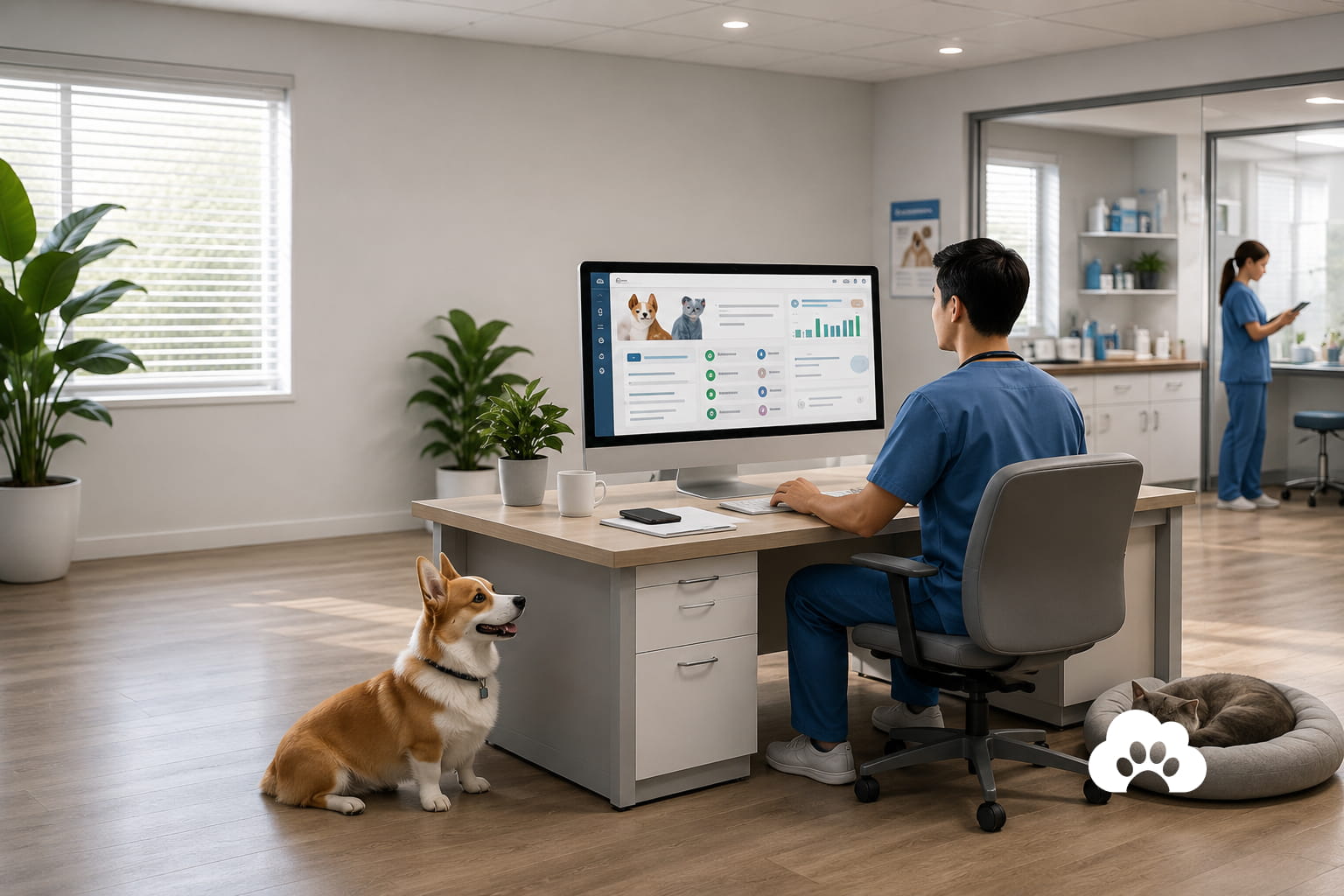
In recent years, the field of veterinary medicine has undergone a technological revolution. The advent of sophisticated software programs tailored to the specific needs of veterinary practices has not only streamlined administrative tasks but has also revolutionized the way veterinarians diagnose and treat animal patients. As we look ahead, it is evident that the future of veterinary software programs holds even more promise and potential for the industry.
1. Artificial Intelligence in Diagnostics
One of the most exciting developments on the horizon is the integration of Artificial Intelligence (AI) in veterinary diagnostics. Advanced algorithms are being trained on vast datasets of animal health records, images, and diagnostic reports. This enables them to recognize patterns and anomalies, aiding in the early detection of diseases and conditions.
For instance, AI-powered systems can analyze radiographs, ultrasounds, and pathology slides with remarkable accuracy, assisting veterinarians in making more informed and timely diagnoses. This not only enhances patient outcomes but also allows for more efficient use of resources and expertise.
2. Telemedicine and Remote Monitoring
The COVID-19 pandemic accelerated the adoption of telemedicine in veterinary practices. Moving forward, this trend is expected to persist and evolve. Veterinary software programs will continue to offer secure and user-friendly platforms for virtual consultations, allowing pet owners to seek advice and treatment options without the need for physical presence.
Additionally, remote monitoring solutions will become more sophisticated. Wearable devices and sensors can track vital signs, activity levels, and other health metrics in real-time. This continuous stream of data enables veterinarians to make more accurate assessments and adjustments to treatment plans, leading to improved patient care.
3. Integration with Practice Management Systems
The seamless integration of veterinary software with practice management systems will continue to be a focal point. This convergence allows for the automation of administrative tasks such as appointment scheduling, billing, and inventory management. Furthermore, it enables the easy access and sharing of patient records, fostering collaboration among veterinary teams.
The future holds even more sophisticated features, such as predictive analytics that can help practices anticipate patient needs, optimize resource allocation, and improve overall efficiency.
4. Genomic Medicine for Animals
As the cost of genomic sequencing continues to decline, the field of genomics will play an increasingly significant role in veterinary medicine. Specialized software programs will be pivotal in analyzing and interpreting genetic information, providing valuable insights into an animal's predisposition to certain diseases, drug sensitivities, and potential health risks.
This personalized approach to veterinary care allows for tailored treatment plans and preventative measures, ultimately leading to better health outcomes for pets.
5. Client Education and Engagement
Future veterinary software programs will not only cater to the needs of veterinary professionals but also prioritize client education and engagement. Interactive platforms will offer resources, articles, and videos to help pet owners understand their animal's health and wellness needs better.
Additionally, these programs will facilitate communication between veterinarians and pet owners, creating a collaborative approach to animal care. Features like automated reminders for vaccinations and medication schedules will further empower pet owners to take an active role in their pet's well-being.
In conclusion, the future of veterinary software programs is bright and promising. With advancements in AI, telemedicine, genomic medicine, and client engagement, these tools are poised to revolutionize the way veterinary care is delivered. As technology continues to evolve, so too will the capabilities of veterinary software, ultimately leading to higher standards of care and well-being for our beloved animal companions.